
Commercial Roofing and Solar Integration: Adelaide's Path to Sustainable Power
Businesses in Adelaide must adhere to specific building codes and regulations related to commercial roofing to ensure the safety and structural integrity of their premises. Failure to comply with these regulations can lead to serious consequences, including legal liabilities in case of accidents or injuries resulting from non-compliant roofing structures.
In addition to legal implications, non-compliance with commercial roofing regulations can also have financial repercussions for businesses. Building inspectors and authorities can enforce penalties and fines for violations of roofing regulations, which can significantly impact a company's bottom line.
Furthermore, maintaining compliance with commercial roofing regulations is essential for safeguarding the well-being of employees, customers, and visitors. Adhering to workplace health and safety standards for roofing helps prevent potential accidents and injuries, creating a secure environment within the business premises.
Exploring Commercial Roofing Advancements in Adelaide
Adelaide's building codes are established to ensure the safety, stability, and durability of commercial structures, including their roofing systems. These codes encompass various aspects, such as structural design, materials used, installation methods, and ongoing maintenance requirements.
In Australia, the National Construction Code is a key regulatory document that sets out the minimum requirements for construction and building in the country. Commercial buildings are classified as Class 2-9 buildings under the National Construction Code, which includes offices, restaurants, retail stores, warehouses, and other non-residential structures. The specific building codes for commercial roofs that apply to commercial buildings in Adelaide are outlined in the NCC Volume One: Building Code of Australia.
Specifically, when it comes to commercial roofing in Adelaide, there are several key regulations that businesses must comply with:
Structural Design Requirements
Adelaide's building codes delineate specific standards for the structural design of commercial roofing. This includes load-bearing capacities, wind resistance, and structural integrity to withstand environmental factors prevalent in the region.
Material Specifications
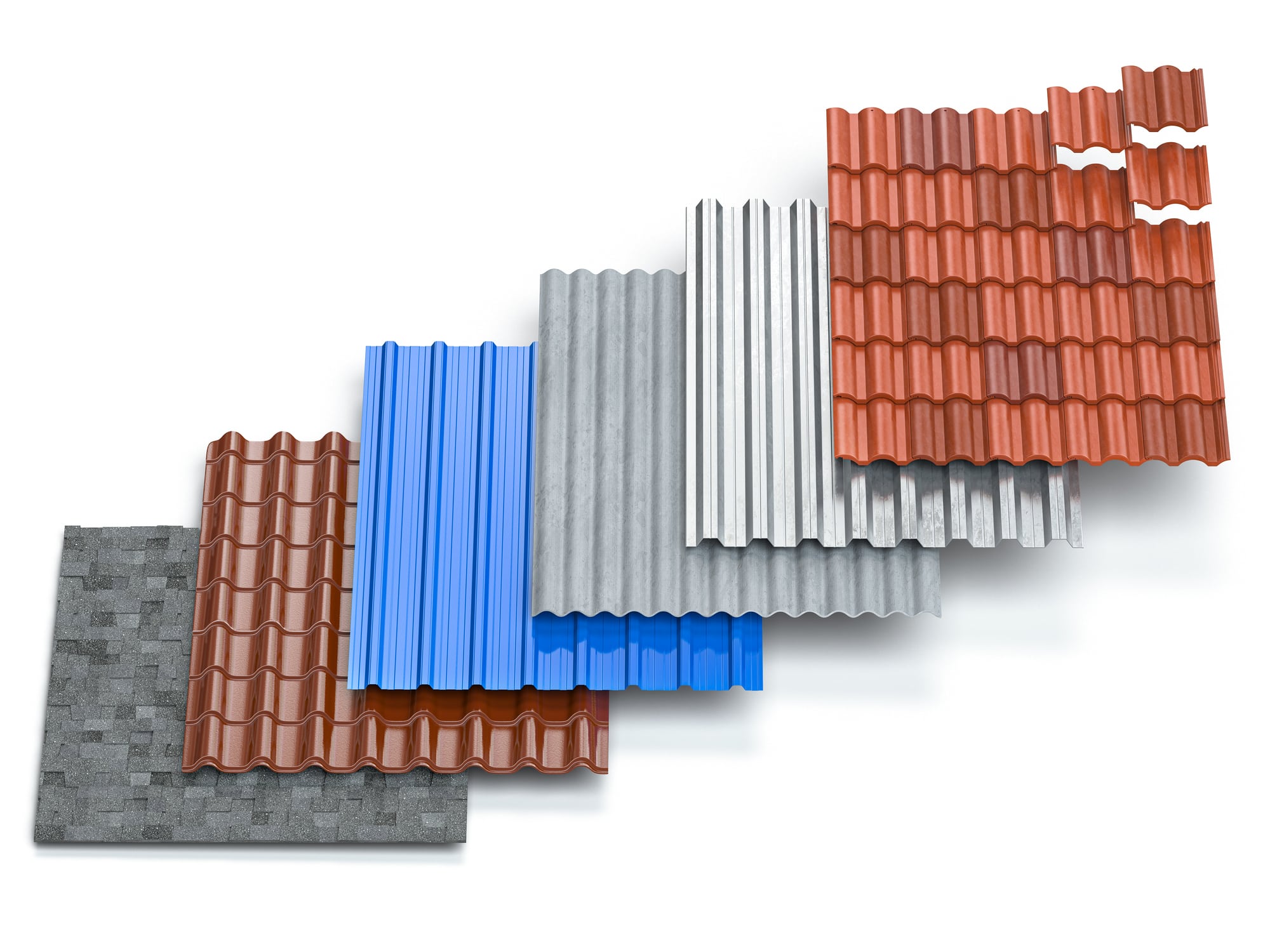
The building codes also outline the approved materials for commercial roofing construction in Adelaide. These specifications are in place to guarantee that the materials utilised are suitable for the local climate, offer adequate protection, and comply with industry standards for quality and durability.
Installation Guidelines
Proper installation of commercial roofing systems is paramount, and Adelaide's building codes provide detailed guidelines for the correct installation procedures. This includes protocols for flashing, drainage systems, and insulation, all of which are essential for the long-term performance and safety of the roofing structure.
Ongoing Maintenance
Adherence to building codes extends beyond the initial construction phase. Regular maintenance and inspections are required to ensure continued compliance and the structural integrity of the commercial roofing. Proactive maintenance helps identify and rectify potential issues before they escalate into safety hazards or code violations.
Understanding and adhering to Adelaide building codes for roofing is fundamental to upholding commercial roofing material compliance, safeguarding financial interests, and ensuring the safety of all individuals within the commercial premises. With a comprehensive understanding of these regulations, businesses can proactively establish and maintain a compliant roofing system that meets all required standards.
Permitting Process for Commercial Roofing Projects
Before commencing any commercial roofing project in Adelaide, businesses must go through the permitting process.
Step 1: Preliminary Consultation
The first step in obtaining roofing permits in Adelaide for commercial projects is to schedule a preliminary consultation with the local building authority or council. During this consultation, businesses can discuss the scope of the roofing project, address any concerns, and gain an understanding of the specific documentation requirements for permit applications.
Step 2: Documentation Preparation
After the preliminary consultation, businesses need to prepare the necessary documentation for the permit application. This typically includes architectural drawings, engineering plans, material specifications, and any other relevant information outlined by the building authority.
Step 3: Permit Application Submission
Once the documentation is in order, businesses can submit their permit application to the local building authority. It's essential to ensure that all required forms are completed accurately and that the application package is comprehensive to expedite the approval process.
Step 4: Review and Approval Process
After the submission, the building authority will review the permit application to ensure compliance with Adelaide's building codes and regulations. This review process may involve inspections, plan assessments, and consultations with relevant professionals to verify the project's adherence to all requirements.
Step 5: Permit Issuance
Upon successful review and approval, the building authority will issue the necessary permits for the commercial roofing project. These permits will outline the specific conditions, timelines, and regulations that must be followed during the project's implementation.
Step 6: Compliance Throughout the Project
Throughout the commercial roofing project, businesses are required to adhere to the conditions outlined in the issued permits. This includes maintaining compliance with building codes, conducting inspections as mandated, and promptly addressing any deviations or issues that may arise during the construction process.
By following this step-by-step guide, businesses can navigate the permitting process for commercial roofing projects in Adelaide efficiently and ensure that all necessary approvals and documentation are in place before commencing construction. This proactive approach not only mitigates legal and financial risks but also establishes a solid foundation for a compliant and safe commercial roofing system.
Material and Design Compliance
When it comes to commercial roofing, it is essential to consider both aesthetic and regulatory standards when choosing materials and designing specifications. The selection of roofing materials must meet the required building codes and regulations in Adelaide. It is crucial to ensure that the materials used comply with safety, fire resistance, and environmental standards.
Choosing the right roofing materials also plays a significant role in the overall aesthetics of the building. The materials should not only meet regulatory requirements but also complement the architectural design of the commercial property. Factors such as durability, energy efficiency, and sustainability should also be taken into consideration when selecting roofing materials.
In addition, the design specifications of the roofing should align with the local regulations and standards. This includes considerations for roof pitch, load-bearing capacity, wind resistance, and drainage systems. Working with professional architects and roofing contractors who are well-versed in the local regulations can help ensure that the chosen materials and design specifications meet both aesthetic and regulatory standards.
By carefully selecting materials and adhering to design specifications that satisfy both aesthetic and regulatory requirements, businesses can create a safe, visually appealing, and compliant roofing system for their commercial properties in Adelaide.
Harnessing Adelaide's Solar Energy Potential in Commercial Properties
Adelaide is bathed in its glorious average of 8.5 hours of sunshine daily. As of 2024, it stands as a prime location for harnessing solar energy potential within its commercial properties.
The integration of solar technology provides businesses with a distinct advantage, allowing them to access a clean and renewable energy source, thereby diminishing reliance on conventional power grids. This strategic move aligns seamlessly with the City of Adelaide's Climate Change Action Plan 2023-2028, reflecting a growing awareness among commercial property developers of the economic and environmental benefits associated with tapping into Adelaide's solar energy potential.
For example, in 2023, the Adelaide Central Market completed a major rooftop solar installation, generating enough renewable energy to power almost half of its operations. This not only reduces their carbon footprint but also delivers significant cost savings, estimated to be around $40,000 annually.
This symbiosis between Adelaide's natural resources and the adoption of solar integration positions the city at the forefront of a sustainable and forward-thinking commercial landscape. As advancements in roofing technology and solar solutions continue, we can expect to see an even brighter future for Adelaide, powered by sunshine and innovation.
Environmental Impact Considerations
In Adelaide, commercial roofing projects are also subject to environmental regulations and guidelines aimed at reducing their impact on the environment. To ensure compliance with these regulations, businesses should consider incorporating eco-friendly practices into their roofing projects.
One way to minimise the environmental impact of commercial roofing is to use sustainable and recyclable roofing materials. This includes materials such as metal roofing, which has a long lifespan and can be recycled at the end of its use. Additionally, businesses can opt for materials with high energy-efficiency properties, such as cool roofs, which can reduce the building's energy consumption and contribute to environmental conservation.
Another eco-friendly practice to consider is the implementation of green roof systems. Green roofs utilise vegetation to cover the roof surface, providing insulation, reducing stormwater runoff, and improving air quality. Not only do green roofs contribute to environmental sustainability, but they also offer additional benefits such as improved insulation and aesthetic appeal.
Incorporating rainwater harvesting systems and solar panels into commercial roofing projects is another way to align with eco-friendly practices and environmental regulations. These systems can help businesses reduce their reliance on non-renewable resources and minimise their carbon footprint, contributing to a more sustainable built environment.
By integrating these eco-friendly practices into commercial roofing projects, businesses in Adelaide can not only ensure compliance with environmental regulations but also contribute to the conservation and sustainability of the local environment.
Workplace Health and Safety Standards
In addition to material, design, and environmental compliance, businesses in Adelaide must also prioritise workplace health and safety standards when undertaking commercial roofing projects. Ensuring a safe working environment for roofing projects is crucial for preventing accidents, injuries, and occupational hazards.
One of the fundamental aspects of workplace health and safety in commercial roofing is the implementation of proper safety measures and protocols. This includes conducting thorough risk assessments before commencing any roofing work, identifying potential hazards, and implementing adequate safety measures to mitigate risks. It is essential to provide workers with the necessary personal protective equipment such as harnesses, hard hats, and non-slip footwear to ensure their safety while working at heights.
Furthermore, compliance with workplace health and safety standards involves training and educating roofing workers about safe work practices, proper handling of equipment, and emergency procedures. Regular safety training sessions and toolbox talks can significantly contribute to raising awareness about potential risks and promoting a safety-oriented work culture within the roofing team.
Adhering to proper installation techniques and following the manufacturer's guidelines for roofing materials and equipment is also essential for maintaining workplace safety standards. This includes proper handling of roofing materials, tools, and equipment to prevent accidents and injuries during the construction and installation process.
Additionally, businesses should ensure that their roofing contractors and workers are appropriately licensed and certified to perform commercial roofing tasks. Working with qualified professionals who have undergone safety training and possess relevant certifications can help ensure that the roofing work is carried out in compliance with industry standards and regulations.
By prioritising workplace health and safety standards in commercial roofing projects, businesses can create a secure and responsible work environment, mitigating the potential for accidents and ensuring the well-being of their roofing teams.
Insurance Requirements for Commercial Roofing
When it comes to commercial roofing projects, businesses must also understand the insurance obligations and requirements to meet regulatory standards and protect their interests. Adequate insurance coverage is essential to mitigate potential risks and liabilities associated with commercial roofing work. Here are some important considerations for businesses undertaking roofing projects:
Liability Insurance
One of the primary commercial roofing insurance requirements is liability insurance. This type of coverage provides financial protection in the event of property damage or bodily injury resulting from the roofing work. Businesses should ensure that their liability insurance covers potential accidents, injuries, or damages that may occur during the roofing project. It is crucial to review policy limits and coverage terms to guarantee comprehensive protection.
Workers' Compensation Insurance
Businesses undertaking commercial roofing projects are also obligated to carry workers' compensation insurance. This coverage is designed to provide benefits to employees in the event of work-related injuries or illnesses. Compliance with workers' compensation requirements is essential for businesses to fulfil their legal obligations and provide financial support to their roofing teams in case of accidents or occupational hazards.
Contractor's Insurance
When hiring roofing contractors for commercial projects, it is important to verify that the contractors carry adequate insurance coverage. Businesses should request proof of insurance from their contractors, including general liability insurance and worker's compensation coverage. Verifying the insurance status of the contractors helps ensure that businesses are not held liable for any incidents or injuries occurring during the roofing work.
Common Compliance Challenges and Solutions
Businesses involved in commercial roofing projects often encounter several challenges when it comes to complying with roofing regulations. Some of the common Adelaide roofing compliance challenges include:
1. Understanding and Adhering to Local Building Codes and Regulations:
Navigating through the intricate web of local building codes and regulations can be daunting for businesses. Compliance with varying requirements and standards across different regions within Adelaide can pose a significant challenge.
2. Environmental Impact Considerations
projects can be challenging. Businesses must navigate through the regulations related to waste management, energy efficiency, and the use of eco-friendly materials, which can add complexity to compliance.
3. Keeping Up with Safety Standards
Ensuring ongoing adherence to workplace health and safety standards presents a continuous challenge. This includes staying updated with evolving safety regulations and consistently implementing and reinforcing safety measures.

To address and overcome these compliance challenges, businesses can implement practical solutions tailored to the specific needs of commercial roofing projects:
1. Engage with Regulatory Experts:
Collaborate with professionals or consultants well-versed in local building codes and regulations. Seeking expert guidance can help businesses interpret and navigate through the complexities of compliance requirements, ensuring adherence to local regulations.
2. Adopt Sustainable Practices:
Embrace sustainable roofing practices and materials that align with environmental impact regulations for roofing. This can involve investing in eco-friendly roofing materials, implementing efficient waste management strategies, and exploring renewable energy options for roofing projects.
3. Continuous Safety Training and Education:
Establish a comprehensive safety training program and regularly educate roofing workers about updated safety protocols. By investing in ongoing safety education and promoting a culture of safety within the workforce, businesses can ensure compliance with evolving safety standards.
4. Regular Compliance Audits:
Conduct regular compliance audits to assess and monitor adherence to regulatory standards. This proactive approach can help identify any gaps in compliance and allow for timely corrective measures to be implemented.
By proactively addressing these common compliance challenges with practical solutions, businesses can navigate the regulatory landscape effectively and ensure that their commercial roofing projects meet the necessary standards and regulations in Adelaide.
Complete Your Roofing Projects With the Help of Baxter Roofing & Cladding
Ensuring compliance with regulations is a critical aspect of running a successful commercial roofing business in Adelaide. Businesses need to familiarise themselves with the local building codes and regulations, adopt sustainable practices, prioritise ongoing safety training, and conduct regular compliance audits to stay up-to-date and in compliance with the evolving rules and regulations related to commercial roofing projects.
For guidance and assistance in meeting Adelaide commercial roofing regulations, businesses can turn to reputable roofing contractors like Baxter Roofing & Cladding. We have extensive knowledge and expertise in the local building codes and regulations governing commercial roofing projects in Adelaide. We can provide guidance on selecting compliant materials, assist with navigating the permit process, and ensure that all roofing projects meet the necessary standards.
By working with a trusted contractor like Baxter Roofing & Cladding, businesses can have peace of mind knowing that their commercial roofing projects are safe and in full compliance with the necessary regulations in Adelaide.
For enquiries, visit Baxter Roofing & Cladding or call us on 0408-832-985.