
Emergency Roof Repairs in Adelaide: What to Do When Your Commercial Roof is Damaged
Your commercial roof plays a crucial role in safeguarding your business from weather conditions. However, when your roof gets damaged, it puts your entire operation at risk.
This article focuses on the steps and tips for dealing with roof damage in Adelaide, a city that faces unique climate challenges.
We will discuss the causes of commercial roof damage, ways to recognise the signs of trouble, and why it's essential to rely on roofing experts instead of DIY solutions.
You'll learn about the benefits of working with professionals who can provide effective solutions to your roofing problems.
The Significance of Addressing Roof Damage Promptly
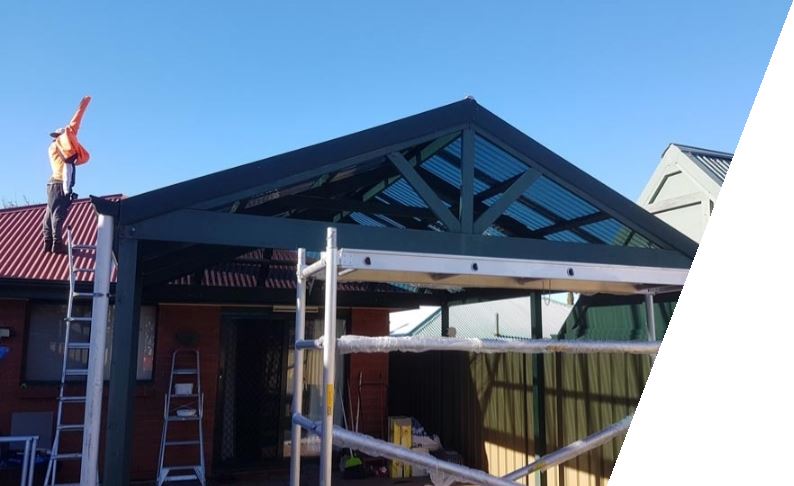
A damaged roof is a threat to your business’s integrity. It’s not just about fixing shingles or sealing leaks; it’s about safeguarding your investment and ensuring the longevity of your commercial property.
Ignoring roof damage, even seemingly minor issues can lead to extensive damage to your building’s interior, costly repairs, and potential business disruptions.
In severe cases, it can jeopardise the safety of your employees and customers. Therefore, addressing roof damage promptly is paramount to protecting your business’s well-being.
Common Causes of Commercial Roof Damage in Adelaide
Adelaide’s climate, characterised by its scorching summers and sporadic heavy rainfall, poses a set of unique challenges to commercial roofs. To protect your business and your property, it’s crucial to understand the primary causes of roof damage that commercial buildings in this region often face. By recognising the effect of these climate factors, you can proactively address potential damage, extending the life of your roof, and ensuring the resilience of your commercial property against the elements.
Below, we delve into how Adelaide’s climate conditions impact commercial roofs and why these factors are of significant concern:
1. Extreme Temperature Fluctuations
Adelaide’s climate is renowned for its extreme temperature fluctuations. While scorching summer days can subject your roof to intense heat, the nights often bring a sharp drop in temperature. These drastic changes cause roofing materials to expand and contract repeatedly. Over time, this thermal stress can lead to the deterioration of roofing materials, resulting in cracks, weakened seals, and an increased vulnerability to leaks. Understanding how temperature fluctuations affect your roof is essential to address issues promptly.
2. Strong Winds
Adelaide is no stranger to strong winds, particularly during stormy seasons. These gusts can exert significant force on commercial roofs. When wind speeds reach their peak, they can lift or tear away loose or aged roofing materials, leaving the underlying structure exposed.
Moreover, strong winds can lead to the displacement of shingles, tiles, or other roof coverings, disrupting the roof’s waterproofing and exposing it to potential leaks. The integrity of the roof and the safety of your property depend on understanding the potential impact of these winds.
3. Hailstorms
Though relatively infrequent, hailstorms can be especially damaging to commercial roofs in Adelaide. The impact of hailstones can puncture or crack roofing materials, leading to water infiltration and resulting water damage.
Even small hailstones can inflict considerable harm over time, necessitating immediate attention. Recognising the risk of hail and its potential impact is essential for safeguarding your roof.
4. Relentless Wear and Tear
Adelaide’s climate conditions, with their combination of heat, rain, and wind, continually stress commercial roofs. The sun’s intense UV rays can cause roofing materials to degrade over time, resulting in discolouration, warping, and reduced longevity.
The cumulative impact of these weather elements accelerates wear and tear, causing issues such as faded or brittle shingles, rusting of metal components, and the deterioration of seals.
What may seem like minor wear and tear can lead to significant roof damage if left unattended. Recognising the persistent nature of these challenges is essential to understanding the long-term effects on your roof’s health.
Recognising Signs of Roof Damage
Identifying signs of roof damage is a critical skill that every property owner or manager should possess. The early detection of roof issues can save you from costly repairs and potential structural damage.
In this section, we’ll provide a comprehensive list of visible signs that indicate roof damage and empower you with the knowledge needed to spot these signs early. We’ll also guide you on how to perform a thorough visual inspection of your commercial roof, ensuring you stay ahead of potential problems, and enabling you to take action before minor issues escalate into costly crises.
COMMON SIGNS OF ROOF DAMAGE:
Leaks: Water stains on ceilings or walls, and the presence of puddles on the floor are clear indicators of roof leaks. These should raise immediate concern, as unchecked leaks can lead to extensive interior damage and mould growth.
Cracks: Inspect the roof’s surface for visible cracks or splits in roofing materials. These can be caused by temperature fluctuations, hail, or general wear and tear, and they represent a breach in your roof’s protective barrier.
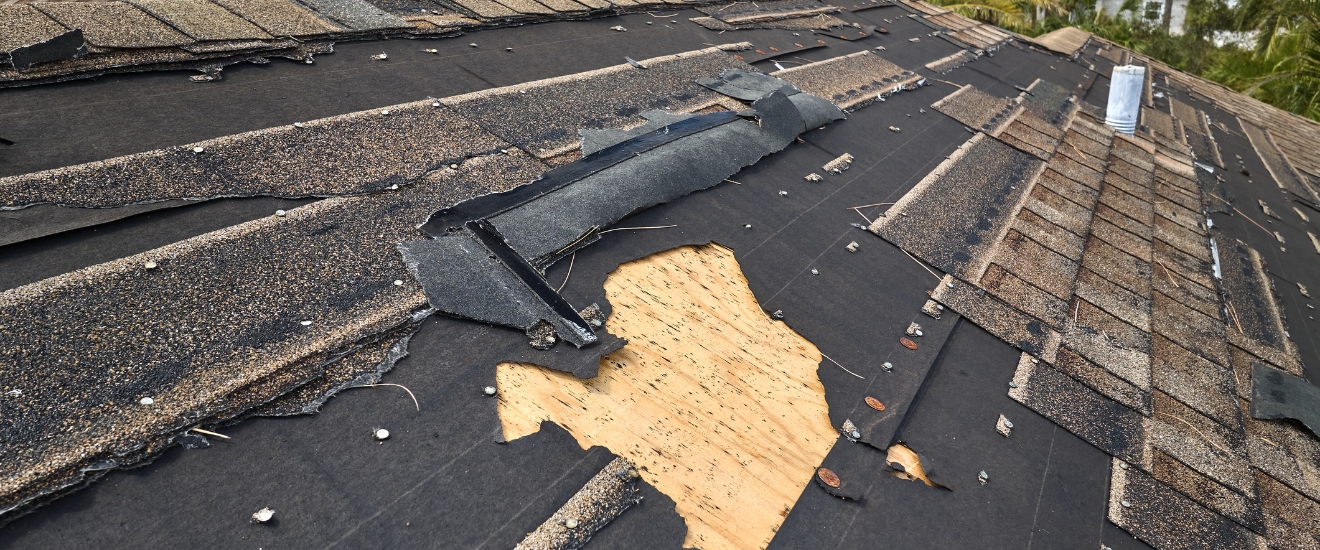
Missing Shingles or Tiles: Missing or displaced shingles or tiles expose the underlying roof structure, making it susceptible to leaks and water infiltration. Carefully examine your roof for any gaps or irregularities in your roofing materials.
Blisters or Bubbles: Raised areas or bubbles on the roof’s surface may be a sign of trapped moisture, which can damage the roof’s structure over time. These areas should be addressed to prevent further issues.
Sagging or Uneven Areas: A sagging or uneven roofline can indicate structural issues. These irregularities can be the result of water damage, excessive snow accumulation, or other factors that compromise the roof’s integrity.
Clogged Gutters: Debris in your gutters can obstruct proper water drainage, leading to water pooling on the roof. Regularly cleaning and maintaining your gutters is crucial to prevent damage.
Granule Loss: If your roofing material is composed of asphalt shingles, look for granules accumulating in your gutters or on the ground. Granule loss can weaken the shingles and reduce their ability to protect your roof from the elements.
Mould and Mildew: The presence of mould or mildew on your roof can indicate moisture issues. These growths can not only deteriorate roofing materials but also create health concerns. Identifying and addressing them promptly is essential.
Performing a Visual Inspection
To detect these signs early, you should conduct a visual inspection either from the ground using binoculars or by safely accessing the roof. Safety should always be a priority, and if you decide to climb onto the roof, take the necessary precautions to prevent accidents.
Carefully scrutinise the condition of the roofing materials, looking for signs of wear, damage, or any irregularities. Pay special attention to areas where different roof components meet, as these are often trouble spots.
Regular inspections, ideally at least once a year and after severe weather events, can help you identify and address roof damage promptly. If you notice any of these signs during your inspection, consider seeking professional help to assess the extent of the damage and determine the necessary repairs.
Addressing roof issues early can prevent more extensive damage and costly repairs down the road, ultimately preserving the integrity of your commercial property.
Why Roofing Experts Should Handle Roof Damage: The Advantages Over DIY
Addressing roof damage is a critical task, and while DIY solutions can be appealing for their cost-saving potential, there are compelling reasons why commercial roofing professionals in Adelaide should be your preferred choice.
In this section, we'll explore the numerous advantages of hiring professionals for roof repairs and maintenance and why their expertise far surpasses the DIY approach.
When it comes to ensuring the safety, longevity, and overall well-being of your commercial property, the advantages of relying on experts are abundantly clear.
1. Specialised Knowledge and Expertise
Roofing experts bring a wealth of specialised knowledge and expertise to the table. They’ve undergone rigorous training and gained hands-on experience in the intricacies of various roofing materials, techniques, and the specific challenges posed by different climates.
Their expertise enables them to accurately diagnose the extent of roof damage, whether it’s due to hail, UV exposure, or any other factor. They understand the nuances of your specific roofing system and can implement effective, long-lasting solutions tailored to your needs.
2. Safety First
Roofing is inherently risky, and professionals prioritise safety above all else. They are equipped with the necessary safety gear and have a deep understanding of risk management on roofs, which can be hazardous environments.
Roofing experts know how to navigate potential dangers and take the precautions needed to protect themselves and anyone in the vicinity. By contrast, DIY attempts often lack these vital safety measures, putting you and anyone helping you at unnecessary risk.
3. Quality Materials and Tools
Roofing experts have access to high-quality materials and tools that are often unavailable to the average homeowner. The materials they use are durable and specifically designed for roofing applications, ensuring that repairs are done to the highest standards.
In contrast, DIY repairs may involve subpar materials and tools, leading to suboptimal results and potentially requiring more frequent repairs in the future.
4. Time and Cost Efficiency
Professionals work efficiently, saving you time and reducing the likelihood of costly mistakes. They can quickly and accurately identify and address issues, preventing them from escalating into major problems.
DIY projects, on the other hand, can often be more time-consuming and costly in the long run, as you may need to address unforeseen issues or redo repairs due to a lack of expertise.
5. Warranty and Insurance
Professional roofing services often come with warranties that provide peace of mind. These warranties cover both the workmanship and the materials used, ensuring that if issues arise after the repair, they will be addressed at no additional cost to you.
Moreover, roofing professionals typically have insurance, which protects you and your property in case of accidents or unforeseen damage during the repair process. With DIY repairs, you don’t have the same level of protection, and any mishap can result in costly liabilities.
6. Comprehensive Solutions
Roofing experts don’t just patch up visible damage; they take a comprehensive approach to address the root causes of issues. They understand that addressing the symptoms alone doesn’t prevent the problem from recurring. DIY repairs may only provide temporary relief, leaving underlying issues unaddressed and eventually leading to more significant damage and expenses.
7. Legal Compliance
In some areas, roofing work may require permits and adherence to building codes. Roofing professionals are well-versed in local regulations, ensuring that your repairs are not only effective but also legally compliant.
8. Peace of Mind
Perhaps the most valuable advantage of hiring roofing experts is the peace of mind they bring. You can rest assured that your roof is in capable hands, and the repairs will be executed with precision and professionalism, leaving your property secure and your investment protected.
In conclusion, while DIY projects have their place, dealing with roof damage is best left to roofing experts. Their knowledge, safety precautions, access to quality materials, efficiency, and comprehensive solutions ensure that your roof is in the best possible hands.
Hiring professionals provides long-term benefits, safeguarding your property and your investment. When it comes to roof damage, choosing expertise over DIY is the wisest decision you can make.
Temporary Roofing Solutions for Emergency Situations
1. Tarping
One of the most effective temporary solutions for a damaged roof is tarping. Heavy-duty tarps, typically made of materials like polyethylene, can provide a temporary barrier against rain, snow, and debris. To apply a tarp effectively, follow these steps:
Step 1: Safely access the roof with the necessary safety gear, including sturdy boots and a safety harness if needed.
Step 2: Clear any debris from the damaged area.
Step 3: Place the tarp over the damaged section, ensuring it extends beyond the damaged area to provide sufficient coverage.
Step 4: Secure the tarp by attaching it to the roof using furring strips, plywood, or roofing nails. Make sure it is tightly fastened to prevent wind from lifting it.
Step 5: Seal the edges of the tarp with roofing cement or a waterproof adhesive to prevent water from seeping underneath.
2. Patching
For smaller roof damage, such as small holes or cracks, patching can be an effective solution. Roofing cement or mastic, which can be applied with a putty knife, can help seal these openings temporarily. Remember, patching is best suited for minor damage and should not be considered a long-term solution.
3. Temporary Shingle or Tile Replacement
If you have missing shingles or tiles, you can replace them temporarily until a more permanent fix can be arranged. This can help prevent water infiltration. Look for spare shingles or tiles in your storage or purchase a few replacements to have on hand. Nail or secure them in place as a temporary fix.
4. Gutter Maintenance
While not directly a roofing solution, keeping your gutters clear of debris is crucial. Clogged gutters can lead to water pooling on the roof and causing additional damage. Regularly clean and maintain your gutters to ensure proper drainage away from your roof.
Contacting a Roofing Professional in Adelaide
Temporary fixes are just that—temporary. For a lasting and comprehensive solution to your roof damage, it's essential to contact a roofing professional in Adelaide. In this section, we'll guide you on when and why it's crucial to call in a professional and provide tips for choosing a reliable roofing contractor.
When to Contact a Professional
Severe Damage: When the extent of damage to your commercial roof is severe, it’s time to bring in the professionals. This includes scenarios where you have large holes, extensive leaks, or structural issues.
Attempting to repair such significant damage on your own can be not only futile but also potentially hazardous. Roofing professionals have the knowledge, skills, and equipment necessary to tackle these substantial issues safely and effectively.
They can accurately assess the situation and implement the appropriate solutions, ensuring that your commercial property remains secure and that the problem doesn’t exacerbate.
Safety Concerns: Safety should be paramount when dealing with roof damage. If you’re uncertain about your ability to safely access and work on the roof, or if the height and risks involved make you uncomfortable, it’s best to entrust the job to professionals.
Roofing experts are well-versed in navigating the potential dangers of working at elevated heights. They possess the necessary safety
gear, including harnesses, helmets, and appropriate footwear, to mitigate risks.
Furthermore, they are trained in adhering to safety protocols, reducing the likelihood of accidents that can lead to injury or further damage. Safety is not a component to be taken lightly when it comes to roofing repair, and professionals are the best equipped to handle it.
Insurance Claims: In the aftermath of roof damage, an essential aspect is often the insurance claim. A roofing professional can be a valuable asset in navigating the insurance claims process. They understand how to document the damage accurately and comprehensively, which is essential for the success of your claim.
Maximising your coverage is the goal, and professionals know how to present the damage in a manner that ensures you receive the compensation you deserve. Their expertise in dealing with insurance companies can make the process smoother, ensuring that your commercial property is restored without unnecessary financial strain.
Choosing a Reliable Roofing Contractor
Experience and Reputation: Seek contractors with a strong reputation in the Adelaide area. An established history of successful roof repairs and satisfied customers is a positive indicator of their reliability and competence. A contractor with a solid reputation has likely earned it through quality work and customer satisfaction.
Licensing and Insurance: Verify that the contractor holds the appropriate licences and insurance. Licensing ensures that they have met the legal requirements to perform roofing work in your area.
Insurance, including both liability and worker’s compensation coverage, protects both you and the workers in case of accidents or further damage during the repair process. Don’t hesitate to ask for proof of these credentials to guarantee your peace of mind.
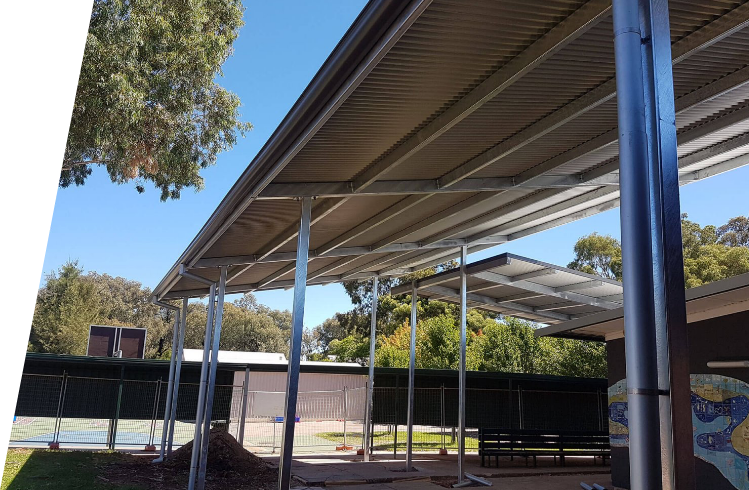
Local Knowledge: Roofing contractors with familiarity with the local climate and conditions are better equipped to comprehend the specific challenges that Adelaide’s weather poses. They understand the nuances of the regional climate, including extreme heat, storms, and hail, and can recommend materials and solutions that are tailored to these conditions. Local knowledge enables them to provide effective, region-specific solutions to your roofing needs.
Warranty: Inquire about the warranty offered for the contractor’s work. A reliable contractor should stand by their repairs and offer a guarantee for their services. A warranty ensures that you have recourse in case issues arise after the work is completed, giving you added confidence in the quality of their service.
References: References: Asking for references or researching online reviews can provide valuable insights into the contractor’s work quality and professionalism. Speaking with previous clients can offer a firsthand account of their experience, from communication and punctuality to the overall performance of the contractor.
In conclusion, contacting a professional roofing contractor in Adelaide is the final and most vital step towards a permanent and safe solution for your roof damage. Their expertise, combined with your temporary measures, will ensure the long-term security and protection of your commercial property.
By adhering to these guidelines and collaborating with a reputable contractor, you can confidently address your roofing needs, safeguarding the well-being of your commercial property.
Documenting Roof Damage for Insurance Claims
When preparing your commercial roof for insurance claims, it's crucial to understand the significance of thorough documentation. Insurance claims serve as the means to recover losses incurred from a damaged roof, and the effectiveness of your claim is heavily reliant on the quality of your records.
Additionally, business owners may consider consulting roofing experts to provide a comprehensive roof inspection report, which is often a requirement for insurance claims and ensures an impartial and independent assessment.
The Importance of Documenting Damage
Insurance claims are, in essence, a negotiation. Your goal is to convince the insurance company that the damage to your roof is significant and that you are entitled to compensation. To achieve this, documentation is your most potent tool. Here’s why it’s so crucial:
Evidence of Loss: Documentation serves as tangible evidence of the loss or damage your commercial roof has suffered. It’s the visual proof that validates your claim.
Maximising Compensation: Thorough documentation enables you to recover the maximum compensation possible. When your records are complete and well-organised, it’s more challenging for the insurance company to dispute your claim.
Efficient Processing: Well-documented claims are processed more efficiently. Insurers can quickly assess the damage, determine the costs, and provide you with a settlement when you present clear, detailed records.
Preventing Disputes: Precise documentation minimises the potential for disputes or delays in the claims process. It leaves less room for ambiguity and misinterpretation.
Guidance on What to Include in Your Records
When documenting roof damage for insurance claims, thoroughness is key. Here’s what you should include in your records:
Photographs and Videos: Visual documentation is incredibly valuable. Take clear, high-resolution photographs and videos of the damage from multiple angles. Capture the extent of the damage, including any affected areas within your property.
Date and Time: Record the date and time when the damage occurred or was discovered. This timestamp helps establish the timeline of events.
Detailed Descriptions: Provide written descriptions of the damage. Include specifics such as the type of damage (e.g., missing shingles, leaks, structural issues), its location, and its severity. Note any circumstances surrounding the damage, such as extreme weather events.
Weather Records: Include any available weather records or reports that can corroborate the conditions at the time of the damage. This is particularly important if the damage resulted from a specific weather event, like a storm or hailstorm.
Witness Statements: If there were witnesses to the damage or if anyone was present at the time it occurred, obtain statements from them. Their accounts can strengthen your claim.
Repair Estimates: If you’ve obtained estimates from roofing professionals for the cost of repairs, include them in your documentation. This demonstrates that you’ve taken proactive steps to address the damage.
Receipts and Invoices: Save receipts and invoices for any expenses related to temporary repairs or emergency services. These can be reimbursable through your insurance claim.
Communication Records: Keep copies of all communication with your insurance company, including emails, letters, and notes from phone conversations. These records can be essential if any disputes arise during the claims process.
Previous Roofing Records: If you have records of past roofing inspections, maintenance, or repairs, include them in your documentation. They can provide context and show that you’ve been diligent in caring for your roof.
Police Reports: If the damage was the result of vandalism or a criminal act, file a police report and include it in your records.
In addition, business owners may seek a comprehensive roof inspection report from qualified roof plumbers, often a mandatory requirement for insurance claims. Such reports provide impartial, independent assessments, facilitating informed decisions about your roof's condition, issues, and recommended solutions.
This collaborative approach between detailed documentation and professional assessments ensures that you receive fair compensation promptly and that your commercial property's roofing system is thoroughly evaluated and adequately addressed.
Insurance Claims Process for Roof Repairs: A Guided Journey to Compensation
Filing an insurance claim for roof repairs is often a complex process, but it’s essential to secure the financial support you need to address damage to your commercial roof. In this section, we’ll outline the steps involved in the insurance claims process and provide valuable tips on how to maximise your coverage.
Steps in the Insurance Claims Process for Roof Repairs
Initial Assessment: Begin by assessing the damage to your commercial roof. Document the extent of the damage and gather all relevant evidence, including photographs, descriptions, and any other supporting records. This comprehensive documentation will be critical during the claims process.
Contact Your Insurance Company: Notify your insurance company as soon as possible after discovering the damage. They will guide you on the next steps and provide you with the necessary information, such as the claim number and the name of the claims adjuster assigned to your case.
Claims Adjuster Inspection: The insurance company will send a claims adjuster to inspect the damage. The adjuster will assess the extent of the damage and determine whether it is covered by your policy. Be sure to provide them with all your documentation, as this will help substantiate your claim.
Temporary Repairs: If your commercial roof requires immediate attention to prevent further damage, consult with your insurance company before proceeding with temporary repairs. They may reimburse you for these costs.
Review Your Policy: Carefully review your insurance policy to understand your coverage and deductible. This will help you anticipate the financial responsibilities associated with your claim.
Claim Documentation: Throughout the process, maintain thorough and organised documentation. Keep records of all communication with the insurance company, including emails, letters, and phone conversations. This will help in case any disputes or questions arise.
Estimates and Repair Plans: Obtain estimates from roofing professionals for the cost of repairs. Share these estimates with your insurance company to support your claim. If the insurance company has preferred contractors, consider getting quotes from them as well.
Claim Resolution: The insurance company will evaluate your claim based on the adjuster’s report, your documentation, and the estimates provided. They will then issue a settlement offer.
Tips to Maximise Your Coverage
Act Promptly: Report the damage to your insurance company as soon as possible to expedite the claims process.
Comprehensive Documentation: Keep meticulous records of the damage, the timeline of events, and all communication related to the claim. Thorough documentation is your strongest asset.
Review Your Policy: Familiarise yourself with your insurance policy, so you know what is covered, your deductible, and your responsibilities.
Consult a Professional: Seek advice from roofing professionals to ensure you receive accurate estimates and have experts who can validate the extent of the damage.
Cooperate with Adjusters: Be cooperative and forthcoming with the claims adjuster. Provide them with access to inspect the damage and answer their questions truthfully.
Temporary Repairs: Take steps to prevent further damage by implementing temporary repairs. Consult your insurance company about reimbursement for these expenses.
Appeal if Necessary: If you believe the settlement offered is inadequate, you have the right to appeal the decision. Consult with your insurance company on the appeals process.
Remember that a well-documented and well-communicated claim will go a long way in ensuring you receive fair compensation for your commercial roof repairs. By understanding the steps in the claims process and following these tips, you can maximise your coverage and expedite the repair process, restoring the integrity of your property.
Preventive Measures: Avoiding Future Roof Emergencies
After addressing immediate roof damage and navigating the insurance claims process, it’s crucial to focus on preventive measures to avoid future roof emergencies. Proactive strategies and regular maintenance can significantly extend the lifespan of your commercial roof, reduce the risk of damage, and ultimately save you time and money.
In this section, we’ll discuss strategies to prevent roof damage and the importance of regular maintenance.
1. Routine Roof Inspections:
Regular roof inspections are the cornerstone of proactive maintenance. Schedule periodic inspections by professional roofing experts to identify potential issues before they become significant problems. These inspections can catch small defects early, preventing them from escalating into costly emergencies.
2. Maintenance Programs:
Consider enrolling in a maintenance program offered by a reputable roofing contractor. These programs typically include scheduled inspections, repairs, and preventive measures. They help ensure that your roof remains in optimal condition throughout its lifespan.
3. Clear Debris and Maintain Gutters:
Regularly remove debris, leaves, and branches from your roof. Clogged gutters can lead to water pooling, which can accelerate roof deterioration. Keep your gutters clean to ensure proper drainage.
4. Trim Overhanging Trees:
Trees with branches overhanging your roof pose a potential risk. Strong winds or falling branches can cause damage. Regularly trim back overhanging branches to reduce this risk.
5. Address Small Repairs Promptly:
Don’t procrastinate when it comes to minor repairs. Addressing small issues early can prevent them from growing into larger, more costly problems.
6. Roof Coatings and Sealants:
Consider applying roof coatings and sealants. These products can provide an additional layer of protection against the elements, UV rays, and harsh weather conditions.
7. Insulation and Ventilation:
Proper insulation and ventilation are essential for regulating temperature and moisture in your commercial property. They help prevent issues like condensation and mould growth, which can weaken your roof over time.
8. Storm Preparedness:
When severe weather is forecasted, take precautions to secure loose items on your roof and inspect it afterwards for any damage. Quick action can prevent minor damage from becoming major.
9. UV Protection:
UV exposure can damage your roof over time. Install reflective roofing materials or coatings to reduce the impact of UV rays. This not only prolongs your roof’s life but can also improve energy efficiency.
10. Professional Roof Cleaning:
In areas with high humidity, algae, moss, or mould growth can be a concern. Regular professional roof cleaning can remove these issues, preventing damage to your roof.
11. Keep Records:
Maintain a record of all maintenance and repairs performed on your roof. This documentation is valuable for tracking the roof’s history and can be essential for insurance claims or when selling your property.
12. Professional Consultations:
When making significant decisions about your roof, such as material upgrades or modifications, consult with professional roofing experts. They can provide valuable insights and recommend the best solutions tailored to your specific needs.
Regular maintenance and preventive measures not only protect your roof but also extend its lifespan, improve energy efficiency, and minimise the risk of unexpected emergencies. By investing in the long-term well-being of your commercial roof, you can enjoy peace of mind, lower maintenance costs, and a more secure and durable property.
Conclusion and Key Takeaways: Safeguarding Your Commercial Roof for the Long Haul
In conclusion, prompt action and awareness of Adelaide's unique climate challenges are essential for safeguarding your commercial roof. Early detection of issues like leaks and missing shingles is fundamental. Relying on roofing experts, thorough documentation for insurance claims, and proactive maintenance are crucial steps.
At Baxter Roofing & Cladding, we're committed to providing top-notch roofing and cladding solutions in Adelaide. Our dedication to quality, reliability, and durability ensures your peace of mind. We take pride in sourcing materials from reputable suppliers, emphasising our commitment to quality.
Don't wait until it's too late; safeguard your commercial roof in Adelaide today. Swift action and professional guidance are your keys to long-lasting protection. Contact us at Baxter Roofing & Cladding to ensure the durability and resilience of your roof, providing enduring security for your business and peace of mind for you. Your investments deserve nothing less than the best.

Roofing Professionals Adelaide
For many years, we have developed our reputation as a trusted partner in providing high-quality roofing solutions to many properties in Australia. We’ll guide you through exactly what’s needed to be done to keep your roof in the best condition and provide fair and market competitive prices.