
Eco-Friendly Roofing Solutions for Adelaide Businesses: Sustainability and Savings
In an era where sustainability is not just a buzzword but a responsibility, the choices we make in construction significantly impact both the environment and our bottom line. As businesses in Adelaide increasingly recognise the importance of aligning their operations with eco-conscious practices, eco-friendly roofing emerges as a pivotal aspect of this transformative journey.
This blog aims to delve into the vital role of eco-friendly roofing, elucidating its multifaceted impact on sustainability and savings for businesses. From fostering energy efficiency to reducing carbon footprints and providing substantial long-term returns on investment, our exploration will guide enterprises towards informed decisions that not only benefit their operations but also contribute to a more sustainable and resilient community.
Brief Overview of the Importance of Eco-Friendly Roofing
Recognising the profound impact of roofing choices on both the environment and financial sustainability is essential for businesses committed to adopting eco-conscious practices. Eco-friendly roofing solutions stand out for their three key contributions: first, they play a pivotal role in reducing carbon footprints, aligning businesses with eco-friendly goals. Second, these solutions enhance energy efficiency, creating a more sustainable operational landscape while simultaneously lowering utility costs. Third, the adoption of eco-friendly roofing promises significant long-term savings, making it a strategically wise investment for Adelaide enterprises.
The Impact of Roofing Choices on Sustainability and Savings
Carefully selecting roofing materials and systems is more than just a construction decision; it's a pivotal choice that resonates with the overarching principles of sustainability and financial prudence. The implications of these choices extend far beyond the immediate construction phase, influencing the long-term environmental footprint and economic viability of a business.
In this section, we will delve into the multifaceted impact of roofing decisions:
1. Energy Efficiency for a Greener Future:
The environmental consciousness embedded in eco-friendly roofing solutions is prominently manifested in their ability to enhance energy efficiency. Traditional roofing materials often absorb and retain heat, necessitating increased reliance on air conditioning systems to regulate indoor temperatures.
Conversely, eco-friendly options such as cool roofing systems or solar roofing actively contribute to energy conservation. Cool roofing, with reflective surfaces that bounce back sunlight, helps maintain lower interior temperatures, reducing the need for constant cooling. Solar roofing, on the other hand, harnesses the sun's energy to generate electricity, supplementing or even replacing traditional power sources.
By adopting these technologies, businesses not only decrease their carbon footprint, but also actively participate in the global transition towards sustainable energy practices.
2. Lowering Environmental Impact Through Thoughtful Choices:
The environmental impact of roofing choices is a critical consideration in an era where ecological preservation is paramount. Eco-friendly roofing materials are often sourced responsibly, incorporating recycled content or being produced with minimal environmental impact.
Additionally, their longer lifespan and durability reduce the frequency of replacements, further diminishing the demand for raw materials. By opting for sustainable roofing solutions, businesses in Adelaide contribute to the preservation of natural resources, minimise waste, and foster a more circular economy.
This commitment to lowering environmental impact not only aligns with corporate social responsibility but also positions businesses as leaders in sustainable practices within their respective industries.
3. Substantial Returns on Investment Over Time:
While the initial investment in eco-friendly roofing may appear higher than traditional alternatives, the long-term financial benefits are compelling. Improved energy efficiency translates directly into reduced utility costs, offering ongoing savings throughout the life of the roof.
The durability of eco-friendly materials ensures minimal maintenance requirements, further diminishing operational expenses. Moreover, many regions, including Adelaide, provide government incentives and subsidies for businesses adopting sustainable practices, offering a tangible return on investment.
The cumulative effect is a financially sound and environmentally responsible approach that positions businesses for long-term success and resilience in a dynamic marketplace.
Benefits of Eco-Friendly Roofing in Adelaide
In the vibrant city of Adelaide, businesses are increasingly recognising the transformative advantages of embracing eco-friendly roofing solutions. From fostering energy efficiency to lowering carbon footprints and ensuring long-term financial resilience, these sustainable choices contribute significantly to the region's commitment to environmental stewardship. Let's explore the triad of benefits that eco-friendly roofing bestows upon Adelaide businesses.
1. Energy Efficiency: Reducing Utility Costs
In the quest for sustainability, the role of eco-friendly roofing materials in enhancing energy efficiency cannot be overstated. Unlike conventional roofing options that absorb and retain heat, eco-friendly materials, such as reflective coatings or green roofing systems, actively regulate temperatures.
Reflective coatings bounce back sunlight, minimising heat absorption and reducing the need for constant air conditioning. This not only creates a more comfortable indoor environment but also translates into tangible reductions in utility costs.
Adelaide businesses that invest in eco-friendly roofing not only experience immediate financial savings but also contribute to the city's overall energy conservation efforts. The result is a workspace that is not only cost-effective but also environmentally conscious, aligning with Adelaide's commitment to sustainable urban development.
2. Environmental Impact: Lowering Carbon Footprint
Adelaide, like many forward-thinking cities, places a premium on initiatives that lower carbon footprints and contribute to a greener community. Eco-friendly roofs, often incorporating recycled materials or sustainably sourced components, play a crucial role in achieving these goals.
By opting for roofing solutions that prioritise environmental responsibility, businesses in Adelaide actively contribute to the reduction of greenhouse gas emissions and resource depletion. Additionally, the longer lifespan of eco-friendly roofing materials ensures fewer replacements, further diminishing the overall environmental impact.
This dual commitment to sustainability not only aligns with global climate goals, but also positions Adelaide as a city where businesses prioritise the well-being of the environment alongside their operational success.
3. Long-Term Savings: Return on Investment
Choosing eco-friendly roofing solutions is not just a commitment to sustainability; it's a strategic investment in long-term financial stability. While the initial costs may seem higher compared to traditional roofing, the subsequent returns on investment are compelling. Improved energy efficiency results in consistent reductions in utility costs, creating ongoing savings that accumulate over the lifespan of the roof.
Additionally, many governments, including local authorities in Adelaide, offer incentives, grants, and subsidies for businesses adopting eco-friendly practices. This financial support further enhances the return on investment, making the transition to sustainable roofing an economically savvy decision.
Adelaide businesses embracing eco-friendly roofing not only secure their financial future but also actively participate in preserving the city's natural beauty for generations to come.
Green Roofing Materials for Adelaide Businesses
As Adelaide businesses increasingly prioritise sustainability, the choice of roofing materials emerges as a key element in fostering eco-friendly practices. This section provides a comprehensive exploration of green roofing materials, offering an overview of sustainable options, specific materials tailored for Adelaide's climate, and a comparative analysis of various eco-friendly choices.
Overview of Sustainable Roofing Materials
In the pursuit of sustainable roofing solutions, businesses in Adelaide have a diverse range of materials to consider. Sustainable roofing materials are characterised by their durability, eco-friendliness, and ability to reduce environmental impact. Common options include recycled metal roofing, which minimises the demand for new resources, and cedar shakes, a renewable resource that exudes natural charm.
Additionally, innovative choices like recycled synthetic tiles, rubber shingles, and green roofing systems, which support the growth of vegetation on the roof surface, exemplify the breadth of sustainable alternatives. This overview emphasises the multifaceted benefits of these materials, ranging from prolonged lifespan to reduced waste generation, aligning with Adelaide's commitment to sustainable building practices.
Specific Materials Suitable for Adelaide's Climate
Adelaide's climatic nuances, ranging from intense summer heat to sporadic rainfall, necessitate roofing materials that can withstand these diverse weather conditions. Making well-informed choices becomes imperative for businesses seeking roofing solutions that ensure durability and effectiveness. Here is a breakdown of specific materials ideally suited for Adelaide's unique climate:
1. Terracotta Tiles:
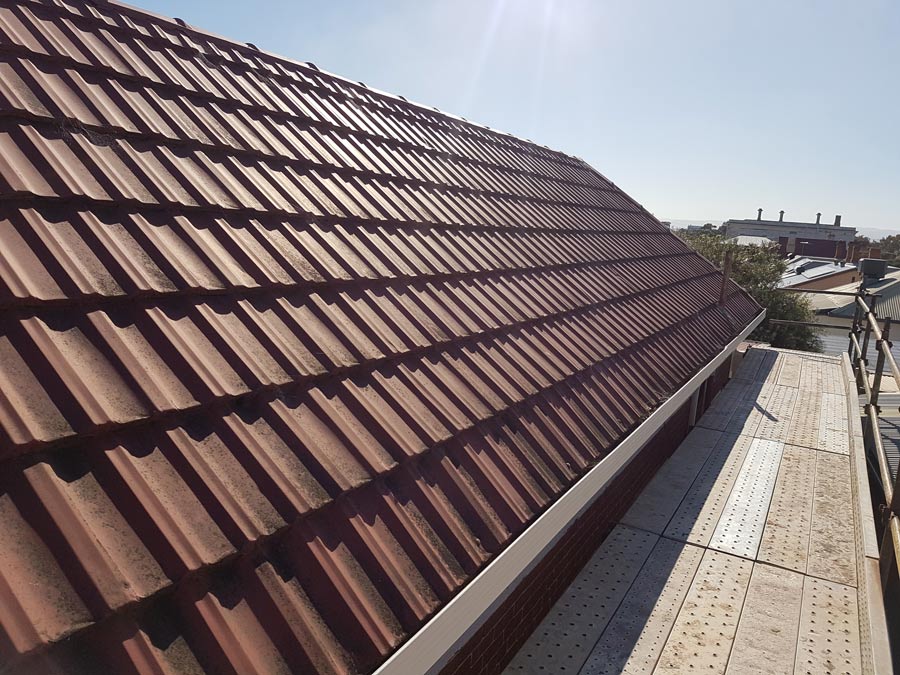
Terracotta tiles emerge as a particularly advantageous choice for Adelaide's climate. Renowned for their exceptional ability to resist heat, these tiles provide insulation, shielding interiors from the scorching Australian sun. Beyond their thermal properties, terracotta tiles also add a touch of aesthetic appeal, contributing to the overall visual charm of the structure. Businesses opting for terracotta tiles invest in a material that not only stands up to the climatic challenges but also enhances the architectural allure of their properties.
2. Colorbond Steel:
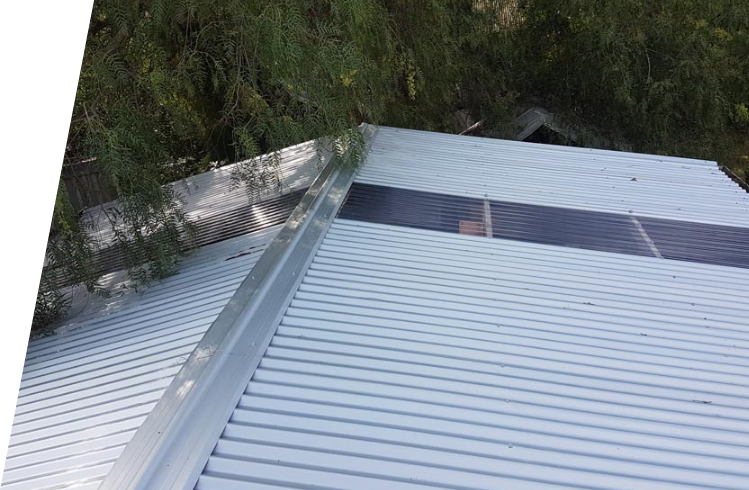
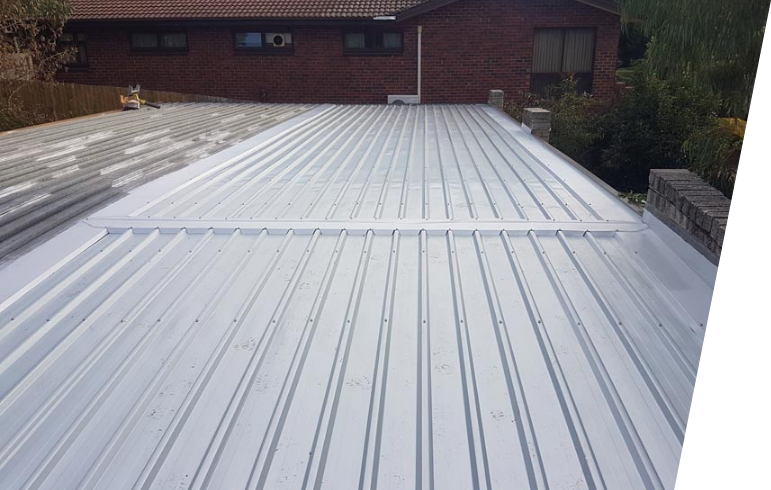
Recognised for its durability and reflective properties, Colorbond steel is a well-suited option for the sun-drenched landscape of Adelaide. Its reflective surface efficiently bounces back sunlight, preventing excessive heat absorption and keeping interiors cooler. This characteristic not only contributes to the comfort of indoor spaces but also aligns with energy efficiency goals. Colorbond steel's robust nature ensures resilience against the harsh Australian sun, making it a reliable choice for businesses seeking roofing materials that withstand the test of time.
3. Concrete Tiles and Slate Roofing:
Concrete tiles and slate roofing stand out for their robust nature, offering formidable resilience against Adelaide's diverse weather patterns. These materials provide a sturdy defence against occasional rainfall and fluctuating temperatures. Concrete tiles, in particular, are known for their durability and low maintenance requirements, making them an economically sound choice for businesses looking to invest in long-lasting roofing solutions. Similarly, slate roofing's natural strength and resistance to weathering make it an ideal option for Adelaide's climate, ensuring reliable protection against the elements.
Comparison of Eco-Friendly Options
In the pursuit of sustainable roofing solutions, businesses in Adelaide are faced with a myriad of eco-friendly options. Each option offers distinct benefits, and understanding these differences is paramount for businesses navigating the complex sustainability landscape. Here, we enumerate and explain two pioneering eco-friendly roofing choices:
1. Solar Roofing Solutions:
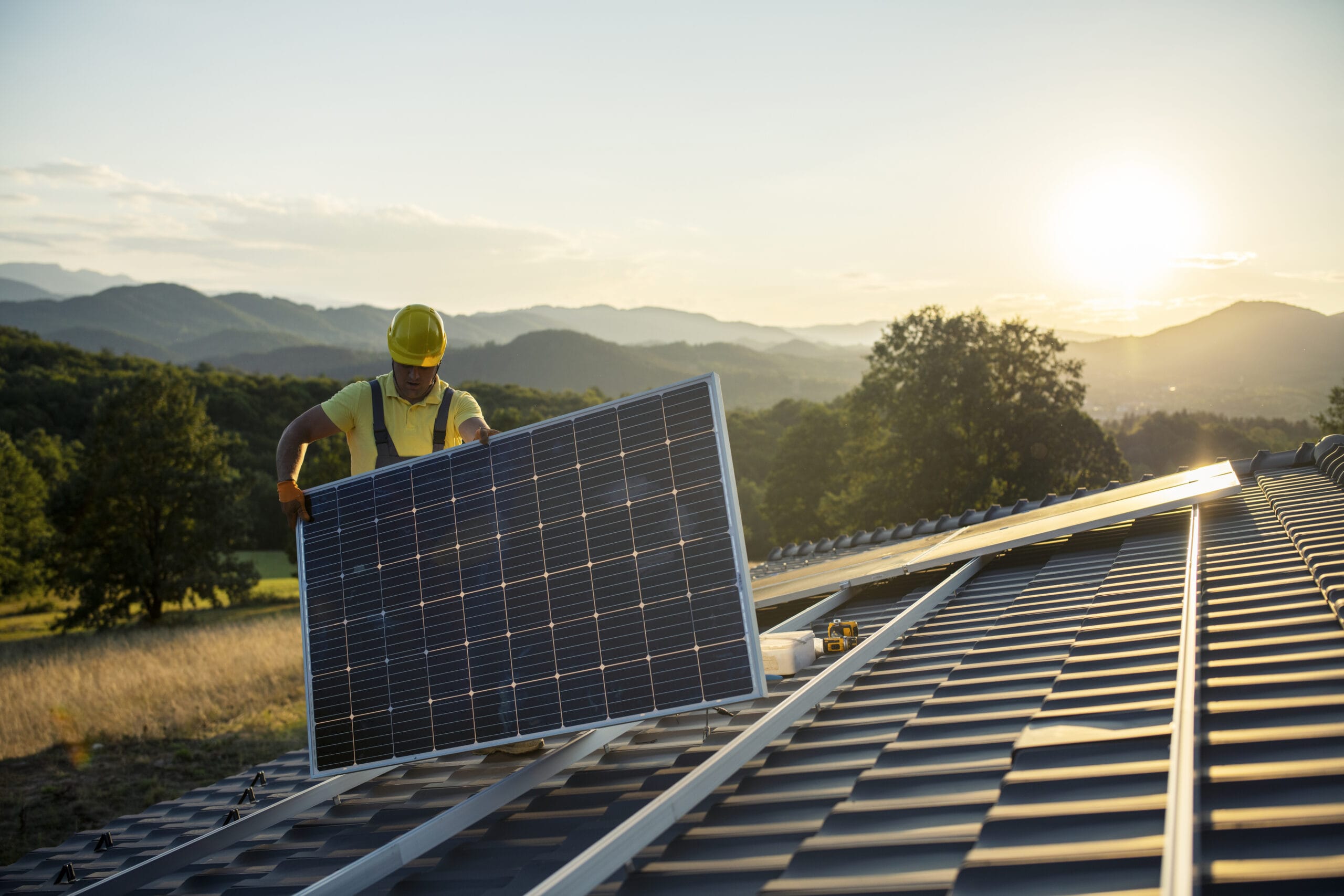
Solar roofing stands out as a groundbreaking choice for businesses aiming to integrate sustainability into their operations. By leveraging the abundant sunlight in Adelaide, solar roofing solutions convert sunlight into clean, renewable energy.
Photovoltaic cells embedded in the roofing material capture sunlight and transform it into electricity, reducing dependence on conventional power sources. The environmental impact is significant, contributing to a substantial reduction in the carbon footprint of the business.
Additionally, adopting solar technology positions businesses to capitalise on government incentives, such as grants and subsidies, fostering a conducive environment for sustainable practices. This not only aligns with global efforts to transition to renewable energy sources but also establishes businesses as proactive contributors to a greener future.
2. Cool Roofing Systems:
Cool roofing systems present another eco-conscious option, designed to reflect sunlight and absorb less heat than traditional roofing materials. In the context of Adelaide's climate, where high temperatures can be a challenge, cool roofing mitigates the urban heat island effect.
By reflecting a significant portion of sunlight, these systems prevent excessive heat absorption, resulting in cooler indoor temperatures. This not only enhances the comfort of the workspace but also contributes to overall energy efficiency.
Businesses adopting cool roofing solutions can experience reduced cooling costs, making it an economically sensible choice. Furthermore, the collective impact of widespread cool roofing adoption can contribute to a more sustainable and resilient urban environment.
Solar Roofing Solutions
Solar roofing solutions represent a groundbreaking leap towards sustainable energy practices for businesses in Adelaide. By harnessing the abundant power of the sun, these innovative systems transform sunlight into clean, renewable energy.
The core of solar roofing lies in the integration of photovoltaic (PV) cells seamlessly into roofing materials. These specialised cells, typically made from silicon, have the remarkable ability to convert sunlight into electricity through the photovoltaic effect.
As sunlight strikes the PV cells, electrons are set into motion, generating a flow of electric current. This process, known as solar photovoltaics, allows businesses to generate their power on-site, reducing their reliance on traditional energy sources and minimising their carbon footprint.
Beyond the environmental benefits, solar roofing provides businesses with a reliable and sustainable source of energy. The systems can be integrated into both new constructions and existing structures, offering flexibility for businesses to adopt solar technology based on their unique needs. With advancements in solar technology, solar roofing has become not only an environmentally conscious choice but also a financially viable investment for businesses looking to secure long-term energy independence.
Government Incentives for Solar Roofing in Adelaide
Adelaide stands as a beacon for sustainability, actively encouraging businesses to embrace eco-friendly practices. The government has implemented a variety of incentives to promote the adoption of renewable energy technologies, particularly solar roofing. Here's a breakdown of the government incentives available for businesses making environmentally conscious investments in solar roofing:
1. Solar Rebate Program:
The solar rebate program is a cornerstone incentive designed to propel businesses towards solar energy adoption. Under this initiative, businesses receive financial support, often in the form of a rebate or subsidy, for installing solar roofing systems. This direct financial assistance plays a pivotal role in making the upfront costs associated with solar installations more manageable.
By reducing the financial barrier, the government empowers businesses of various sizes to invest in solar technology, fostering widespread adoption and contributing to the city's collective shift towards sustainable energy practices.
2. Feed-in Tariffs:
Another key incentive for businesses investing in solar roofing is the implementation of feed-in tariffs. This initiative allows businesses to not only consume the solar-generated electricity for their own needs but also sell any excess electricity back to the grid.
By creating a mechanism for businesses to become contributors to the energy ecosystem, feed-in tariffs introduce an additional revenue stream. This not only makes the economic case for solar roofing more attractive but also encourages businesses to actively participate in a dynamic and interconnected energy grid.
The concept of feed-in tariffs reinforces the idea that businesses can play a role not just as consumers but as producers of clean energy.
3. Tax Incentives and Credits:
Adelaide businesses investing in solar roofing may qualify for various tax incentives and credits. These financial perks serve as a further catalyst for the economic appeal of adopting sustainable energy solutions.
Tax incentives may include deductions or credits on the business's income or property taxes, effectively reducing the overall financial burden associated with the implementation of solar roofing systems.
This dual benefit of environmental and financial gains positions solar roofing as a strategic and economically viable investment for businesses looking to align their operations with sustainable practices.
Cool Roofing Systems for Adelaide's Climate
Cool roofing systems have emerged as innovative solutions tailored to address the specific climatic challenges of Adelaide. Understanding how these systems work, the benefits they bring in mitigating the urban heat island effect, and the range of material options available is crucial for businesses seeking sustainable roofing solutions in this dynamic urban landscape.
How Cool Roofing Works
Cool roofing systems employ advanced technology to regulate temperatures and enhance energy efficiency. The science behind these systems lies in their ability to reflect sunlight and absorb less heat compared to traditional roofing materials.
Typically coated with reflective materials, cool roofs bounce back a significant portion of the sun's rays, preventing excessive heat absorption. This reflective quality extends to the infrared spectrum, ensuring that even absorbed sunlight is re-radiated, contributing to a cooler overall temperature.
Moreover, cool roofing materials often possess high emissivity, meaning they can efficiently release any heat they do absorb. This dual action of reflection and emission works synergistically to maintain lower roof temperatures and, consequently, cooler indoor environments.
In Adelaide's warm climate, where temperatures can soar, cool roofing becomes a strategic choice for businesses seeking energy-efficient solutions that enhance occupant comfort.
Benefits in Mitigating Urban Heat Island Effect
The urban heat island (UHI) effect poses a significant challenge for urban areas, including Adelaide, where the built environment contributes to elevated temperatures. Cool roofing systems offer a range of benefits in effectively mitigating the UHI effect, creating a more sustainable and comfortable urban landscape.
1. Reduced Heat Absorption:
Cool roofing systems are designed to reflect a significant portion of sunlight, preventing the absorption of heat by building surfaces. Traditional dark-coloured roofs tend to absorb and retain heat, contributing to the UHI effect.
Cool roofs, with their reflective coatings and materials, break this cycle by minimising heat absorption. This results in lower surface temperatures on rooftops and surrounding structures, creating a cooler microclimate within urban areas.
2. Lower Ambient Temperatures:
The primary goal of cool roofing systems is to lower ambient temperatures in urban environments. By reflecting sunlight and reducing heat absorption, these systems contribute to a more comfortable outdoor atmosphere.
This benefit extends beyond the immediate vicinity of the buildings with cool roofs, positively impacting the overall urban microclimate. Residents, workers, and pedestrians experience relief from the heat, fostering a more pleasant environment throughout the city.
3. Energy Efficiency and Reduced Air Conditioning Demand:
One of the significant advantages of cool roofing systems is their contribution to energy efficiency. By reflecting sunlight and reducing heat absorption, these systems decrease the demand for air conditioning in buildings.
Traditional roofs absorb heat, requiring more energy-intensive cooling solutions to maintain comfortable indoor temperatures. Cool roofs help alleviate this demand, leading to reduced energy consumption and lower electricity bills for building owners. The ripple effect is a more sustainable and cost-effective approach to maintaining indoor comfort.
4. Promotion of Sustainable Urban Landscape:
The collective adoption of cool roofing systems across a city contributes to a more sustainable urban landscape. As more buildings incorporate reflective roofing materials, the overall UHI effect is mitigated, fostering a citywide reduction in elevated temperatures.
This not only aligns with Adelaide's commitment to environmental sustainability but also enhances the resilience of the urban ecosystem. A cooler urban environment supports biodiversity, reduces heat-related health risks, and creates a more liveable city for residents.
Cool Roofing Material Options
Businesses in Adelaide considering cool roofing systems can choose from a diverse range of materials, each offering unique advantages in terms of cooling properties, durability, aesthetics, and climate responsiveness. Here's an enumeration and explanation of cool roofing material options:
1. Reflective Coatings:
Reflective coatings represent a cost-effective and accessible option for businesses seeking to enhance the cooling properties of their existing roofs. These coatings, typically applied to traditional roofing materials, create a reflective surface that bounces back sunlight, preventing excessive heat absorption. This retrofitting approach is an economical way for businesses to transition to cool roofing without the need for extensive roof replacement.
Reflective coatings are versatile and can be applied to various roofing substrates, offering businesses a quick and efficient way to improve energy efficiency and reduce the urban heat island effect.
2. Single-Ply Membranes:
Single-ply membranes are popular cool roofing materials known for their versatility and efficiency. These membranes, often made of materials like TPO (thermoplastic olefin) or PVC (polyvinyl chloride), are lightweight, flexible, and resistant to UV radiation.
The reflective nature of single-ply membranes helps in minimising heat absorption, contributing to a cooler building interior. Businesses benefit from the ease of installation and the durability of these membranes, making them a practical choice for a variety of roofing applications.
3. Metal Roofing with Reflective Coatings:
Metal roofing, when coated with reflective materials, combines durability with energy efficiency. Metal inherently reflects a significant amount of sunlight, and when enhanced with reflective coatings, it becomes an effective cool roofing material. This option is particularly advantageous in Adelaide's climate, where the sun's intensity can be challenging.
Metal roofing with reflective coatings not only contributes to a cooler indoor environment but also offers longevity and resistance to weathering, making it a robust and sustainable choice for businesses seeking a resilient cool roofing solution.
4. Reflective Tiles:
Reflective tiles provide businesses with a cool roofing option that marries aesthetics with cooling benefits. Available in various styles and materials, including ceramic or concrete, reflective tiles offer a visually appealing roofing solution. These tiles are designed to reflect sunlight, reducing heat absorption and contributing to lower roof temperatures.
Beyond their cooling properties, reflective tiles allow businesses to enhance the architectural aesthetics of their structures, making them a popular choice for those seeking both functionality and visual appeal.
Financial Considerations and Incentives
When contemplating the shift towards eco-friendly roofing solutions, businesses in Adelaide must carefully evaluate the financial landscape, weighing initial costs against long-term savings. Additionally, exploring government incentives and financing options becomes integral to making sustainable practices economically viable.
Initial Costs vs. Long-Term Savings
Eco-friendly roofing solutions present businesses with an initial investment that may surpass the costs associated with conventional roofing alternatives. However, this financial decision proves to be astute when considering the extensive long-term savings and benefits inherent in embracing sustainable practices. Here's a detailed enumeration and explanation of the interplay between initial costs and long-term savings:
1. Higher Initial Costs:
Eco-friendly roofing solutions, such as solar panels or cool roofing systems, often involve higher upfront costs during the initial installation phase. The materials and technologies employed in these systems may be more advanced and specialised than traditional roofing options, contributing to the initial financial investment. Businesses may perceive this higher initial cost as a potential barrier to entry into sustainable roofing practices.
2. Exceptional Durability:
One of the key advantages of eco-friendly roofing materials lies in their exceptional durability. For instance, solar panels and cool roofing systems are engineered to withstand environmental stressors, ensuring a longer lifespan compared to conventional roofing materials. The robust nature of these materials reduces the need for frequent replacements and extensive maintenance over the years. This durability factor is a crucial consideration when evaluating the overall cost of ownership throughout the life cycle of the roofing system.
3. Reduced Maintenance Costs:
The longevity of eco-friendly roofing materials translates into reduced maintenance costs for businesses. Unlike traditional roofs that may require regular repairs and replacements, green roofing options often demand minimal upkeep. This not only saves businesses money in terms of ongoing maintenance expenses but also minimises disruptions to operations that may arise from frequent roofing repairs.
4. Energy Efficiency and Utility Cost Savings:
Eco-friendly roofing solutions contribute significantly to energy efficiency and insulation properties. Solar panels harness clean energy from the sun, reducing dependence on conventional power sources and lowering utility costs. Cool roofing systems, by reflecting sunlight and reducing heat absorption, enhance indoor comfort and contribute to reduced cooling expenses. The ongoing savings in utility costs form a substantial component of the long-term financial benefits associated with sustainable roofing practices.
5. Positive Return on Investment (ROI):
The financial wisdom in choosing eco-friendly roofing becomes apparent when considering the positive return on investment over the life cycle of the roofing system. While the initial costs may be higher, the combination of exceptional durability, reduced maintenance expenses, and ongoing utility cost savings creates a compelling financial case. Businesses experience a tangible and sustainable ROI that goes beyond mere economic considerations, encompassing environmental stewardship and long-term financial prudence.
Government Grants and Subsidies for Eco-Friendly Roofing
Adelaide's commitment to sustainability is reinforced by various government grants and subsidies aimed at encouraging businesses to adopt eco-friendly roofing solutions. These financial incentives significantly alleviate the upfront costs associated with sustainable roofing projects.
Government programs may include grants that directly contribute to the installation of solar panels, subsidies for the use of cool roofing materials, or financial assistance for the implementation of green roof systems. By tapping into these incentives, businesses not only reduce their financial burden but also actively contribute to the city's sustainability goals.
Government support makes the economic viability of eco-friendly roofing more apparent, fostering a conducive environment for businesses to make environmentally responsible choices.
Financing Options for Businesses
In the pursuit of sustainable roofing practices, businesses can leverage a variety of financing options specifically tailored to green building initiatives. These financial solutions are designed to alleviate the upfront costs associated with adopting eco-friendly roofing. Here's an enumeration and explanation of the financing options available for businesses:
1. Specialised Loans:
Financial institutions, recognising the long-term benefits and positive environmental impact of eco-friendly roofing, often offer specialised loans for businesses. These loans are specifically tailored to support green building projects, including installing sustainable roofing systems.
Businesses can secure funding at favourable interest rates and terms, ensuring that the financial burden of the initial investment is manageable. Specialised loans provide businesses with the flexibility to allocate resources towards sustainable initiatives without compromising their overall financial stability.
2. Low-Interest Loans:
Low-interest loans are a key financing option for businesses seeking to implement eco-friendly roofing solutions. Financial institutions may provide loans with interest rates lower than traditional financing options.
This not only reduces the overall cost of financing but also enhances the economic viability of sustainable roofing projects. Low-interest loans make it financially feasible for businesses to prioritise environmental responsibility and adopt green roofing practices without incurring excessive financial burdens.
3. Flexible Repayment Plans:
Recognising the unique financial circumstances of businesses, financial institutions may offer flexible repayment plans for eco-friendly roofing financing. These plans allow businesses to tailor their repayment schedules to align with their cash flow, ensuring that the financial impact remains manageable. This flexibility provides businesses with the breathing room to invest in sustainable roofing without jeopardising their day-to-day operational needs or overall financial health.
4. Financing Structures Aligned with Cost Savings:
Some financial institutions structure green roofing financing to align with the anticipated cost savings resulting from energy-efficient roofing. For example, if a business is expected to realise significant utility cost savings over time, the financing structure may be designed to accommodate this. This strategic alignment ensures that businesses can service their financing obligations through realised savings, creating a synergistic relationship between financing and the economic benefits of sustainable roofing.
5. Immediate Action towards Environmental Responsibility:
The availability of financing options empowers businesses to take immediate action towards environmental responsibility. By providing accessible funding for sustainable roofing initiatives, financial institutions contribute to the creation of a more sustainable and resilient business landscape. Businesses can proactively invest in eco-friendly roofing without waiting for substantial capital accumulation, accelerating the transition towards greener and more responsible practices.
Maintenance Tips for Eco-Friendly Roofs
Implementing and maintaining eco-friendly roofs requires a proactive approach to ensure their longevity and maximise the return on investment. The following maintenance tips empower businesses to uphold the sustainability of their roofing investments.
Regular Inspections and Cleaning
Scheduled Inspections:
Conduct regular inspections of eco-friendly roofs to identify any signs of wear, damage, or potential issues. Scheduled inspections, performed by qualified professionals, allow for early detection and prompt resolution of problems, preventing them from escalating into more extensive and costly issues.
Clearing Debris:
Regularly clear debris such as leaves, twigs, and other organic matter from the roof surface. Accumulated debris can compromise the drainage system and create conditions conducive to the growth of vegetation, potentially impacting the effectiveness of green roofing systems.
Gutter Maintenance:
Ensure that gutters and drainage systems are free of obstructions. Proper gutter maintenance prevents water stagnation and enhances the efficient flow of rainwater, which is crucial for the health of green roofs. Clogged gutters can lead to water pooling, increasing the risk of leaks and undermining the structural integrity of the roof.
Professional Cleaning:
Engage professional cleaning services periodically to remove stubborn stains, algae, or moss growth. Many professional cleaners use environmentally friendly methods to preserve the ecological integrity of green roofs while ensuring optimal functionality and aesthetics.
Sustainable Practices in Roof Maintenance
Water Conservation:
Implement water conservation measures in roof maintenance, such as collecting rainwater for irrigation purposes. Utilising harvested rainwater reduces the environmental impact and promotes sustainability in the maintenance process.
Biodegradable Cleaning Products:
When cleaning eco-friendly roofs, opt for biodegradable and environmentally friendly cleaning products. Harsh chemicals can negatively impact the vegetation and biodiversity on green roofs. Choosing eco-friendly cleaning solutions aligns with the overall ethos of sustainable roofing practices.
Native Plant Management:
If the eco-friendly roof incorporates vegetation, prioritise the use of native plant species. Native plants are better adapted to local climate conditions and require less maintenance. Establishing a well-balanced ecosystem with native plants promotes biodiversity and resilience.
Energy-Efficient Lighting:
When performing maintenance activities that require lighting, use energy-efficient and low-impact lighting sources. This reduces the carbon footprint associated with maintenance tasks and aligns with the broader goal of sustainability in eco-friendly roofing practices.
Recyclable Materials:
Whenever replacement or repairs are necessary, choose roofing materials that are recyclable or made from recycled content. This promotes a closed-loop system, where materials can be reused or repurposed, contributing to a circular economy and minimising waste.
Concluding Insights: A Triad of Benefits in Eco-Friendly Roofing
The adoption of eco-friendly roofing solutions for businesses in Adelaide offers a myriad of advantages, contributing to both sustainability and savings. The key takeaways include:
1. Environmental Stewardship:
Eco-friendly roofs actively contribute to environmental preservation by reducing carbon footprints, mitigating the urban heat island effect, and promoting biodiversity through green roofing practices. Businesses that embrace sustainable roofing make a positive impact on the local ecosystem and demonstrate a commitment to environmental stewardship.
2. Energy Efficiency and Savings:
The incorporation of solar panels, cool roofing systems, and other energy-efficient solutions not only enhances the energy efficiency of buildings but also results in substantial long-term savings. By harnessing renewable energy sources and reducing reliance on conventional power, businesses can experience a positive return on investment while contributing to a more sustainable energy landscape.
3. Long-Term Financial Benefits:
While there may be higher initial costs associated with eco-friendly roofing, the exceptional durability of these materials leads to reduced maintenance expenses and extended lifespans. Businesses focusing on the long-term perspective recognise the financial wisdom of these investments, enjoying ongoing savings and a positive return on investment over the life cycle of the roofing system.

Encouraging Businesses to Embrace Sustainable Roofing Solutions
Baxter Roofing encourages the adoption of sustainable roofing solutions for a greener, more environmentally conscious future. Every business has the power to make a difference, not only in preserving the environment but also in realising substantial financial benefits. Our experienced and trained roofers uphold the highest standards in all roofing services, ensuring quality workmanship on every job.
We understand the value of our customers and take pride in our commitment to excellence. Our reasonable rates, transparency, and dedication to quality set us apart in the industry. If you are exploring roofing solutions, we welcome quotes from competitors and are open to discussing how our team can provide a more competitive price without compromising on quality.
We prioritise Australian-made products, supporting local businesses and contributing to the country's economy. Our commitment extends beyond providing roofing solutions – it's about fostering a sustainable future for businesses and communities alike.
Choose Baxter Roofing for your roofing needs, and join us in building a future where every roof is not only good but also environmentally responsible. Embrace sustainable roofing solutions today for a lasting impact on both your business and the planet.